
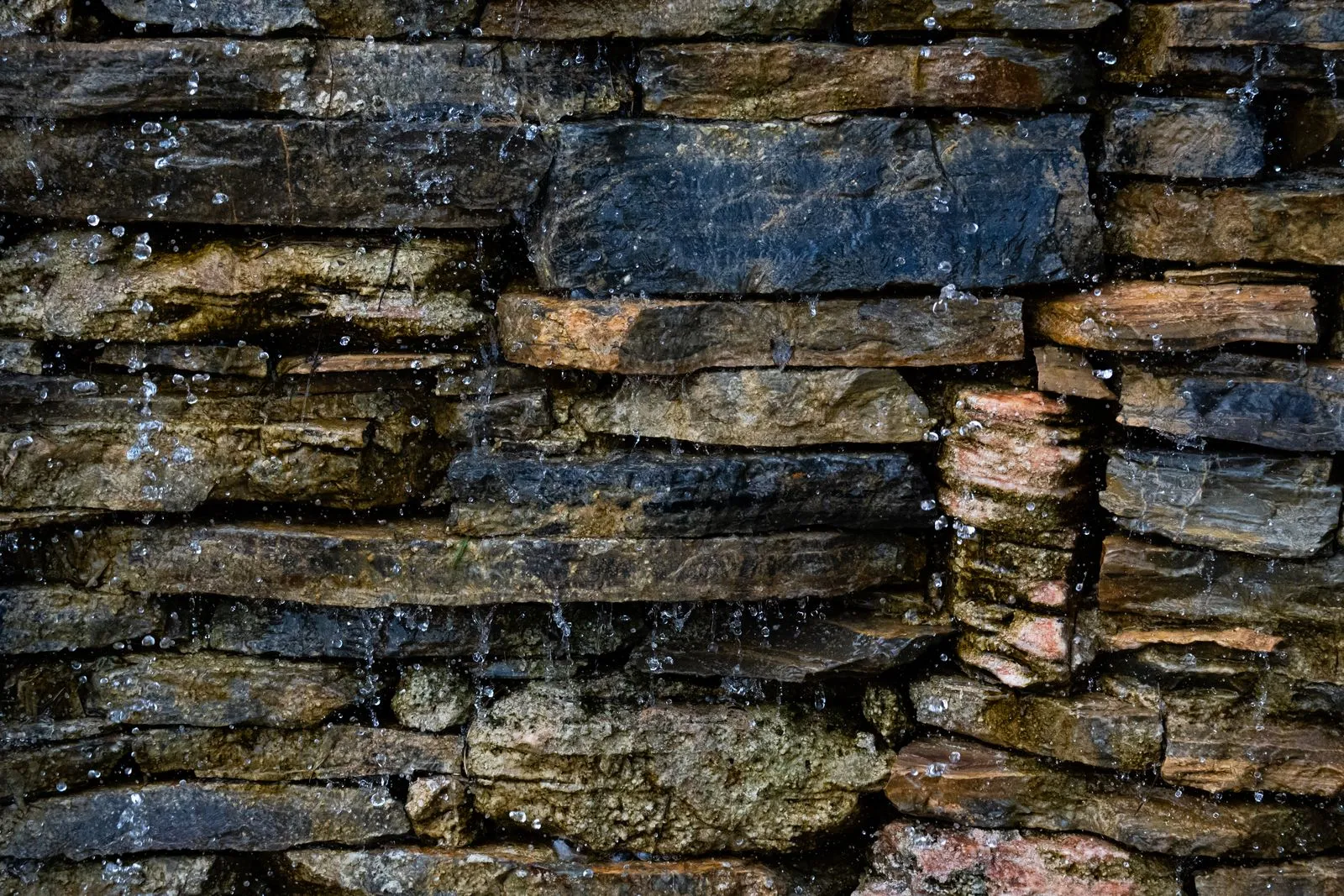
The right stone can make a garden wall feel connected to your home, while the wrong choice may need more upkeep than expected. In Liverpool, consider the property’s age and style alongside local rain, damp, and exposure. Compare each material’s appearance, durability, and maintenance before deciding. Also check whether the wall is retaining soil or simply marking a boundary, since its purpose affects the design and construction as much as the stone itself.
Start with the property and site
Look at the house’s brick, roof, paving, and existing boundary walls. A traditional Liverpool terrace may suit locally familiar, weathered stone or reclaimed material; a newer home can work well with clean-cut blocks and a restrained color palette. Aim for a relationship, not an exact match. Take samples outside and view them in daylight, because stone can look quite different against garden planting, brick, and paving.
Assess the wall’s position before choosing a material. A shaded, damp corner will show moss and weathering more readily than a sunny, sheltered boundary. Consider exposure to wind, water runoff, nearby trees, and de-icing salts from paths or roads. For a retaining wall, have the height, soil pressure, drainage, and foundations assessed by a qualified professional; stone appearance alone does not determine whether the structure will be safe.
Compare common stone types
Sandstone offers varied colors and a natural, textured finish that can sit comfortably with many older properties. Its porosity varies by source and grade, so ask how the specific stone performs outdoors and whether it needs protection. Softer or more absorbent sandstone can weather faster in persistently wet or exposed locations. Regular checks for loose mortar and blocked drainage help keep a sandstone wall in good condition.
Limestone usually has a more even, understated appearance, with tones that can complement pale render or traditional brick. Its performance depends on the stone’s density and finish, and some types can be vulnerable to acidic cleaners and pollutants. Granite is typically hard and durable, with a more formal or robust look, but its color and texture may feel less suited to every garden. Compare samples and ask the supplier about outdoor suitability and cleaning guidance.
Reclaimed stone brings variation, aged surfaces, and a sense of continuity with older buildings. It can be a good visual fit for a period property, but each piece may differ in size, condition, and strength. Check that the material is sound and suitable for the intended wall, and allow the builder to sort pieces during installation. Availability and consistent matching can be less predictable than with newly supplied stone.
Match upkeep to the finish
Stone is not maintenance-free, especially where Liverpool’s damp weather and shade encourage algae or moss. Inspect the wall periodically for cracked mortar, movement, standing water, and vegetation taking root in joints. Clear leaves and soil from the base, and keep drainage outlets open where the design includes them. These simple checks can reveal problems before they affect a larger section of the wall.
Use cleaning methods suited to the specific stone. Start with a soft brush and water, and avoid harsh acids, pressure washing, or sealants unless the stone supplier or a conservation professional confirms they are appropriate. Aggressive cleaning can damage the surface or mortar. If the wall is historic, listed, or part of a conservation area, check relevant requirements before altering it, and seek advice on compatible materials and mortar.
Choose for function and appearance
For a boundary wall, you may have more freedom to prioritize texture and color. For a retaining wall, prioritize engineering, drainage, and a suitable foundation; the stone and wall construction must work together. Ask for a written specification that identifies the stone type, finish, mortar, coping, and drainage details. Confirm who will assess ground conditions and whether the proposed design is appropriate for the wall’s height and load.
A useful comparison includes the stone’s source and grade, expected weathering, cleaning instructions, sample appearance, and replacement availability. Ask to see completed work using the same or similar material, particularly if you are choosing reclaimed stone. Mersey Stoneworks can help Liverpool property owners compare options against a garden’s style and site conditions, but the final selection should reflect both the look you want and the wall’s practical demands.
Choose stone that suits your property, the wall’s purpose, and the amount of upkeep you are prepared to do. Compare real samples outdoors, check the supplier’s care guidance, and treat drainage and structural design as essential—not optional—parts of the decision. If you are planning a garden wall in Liverpool, discuss your site and material options with a qualified stone wall builder.