
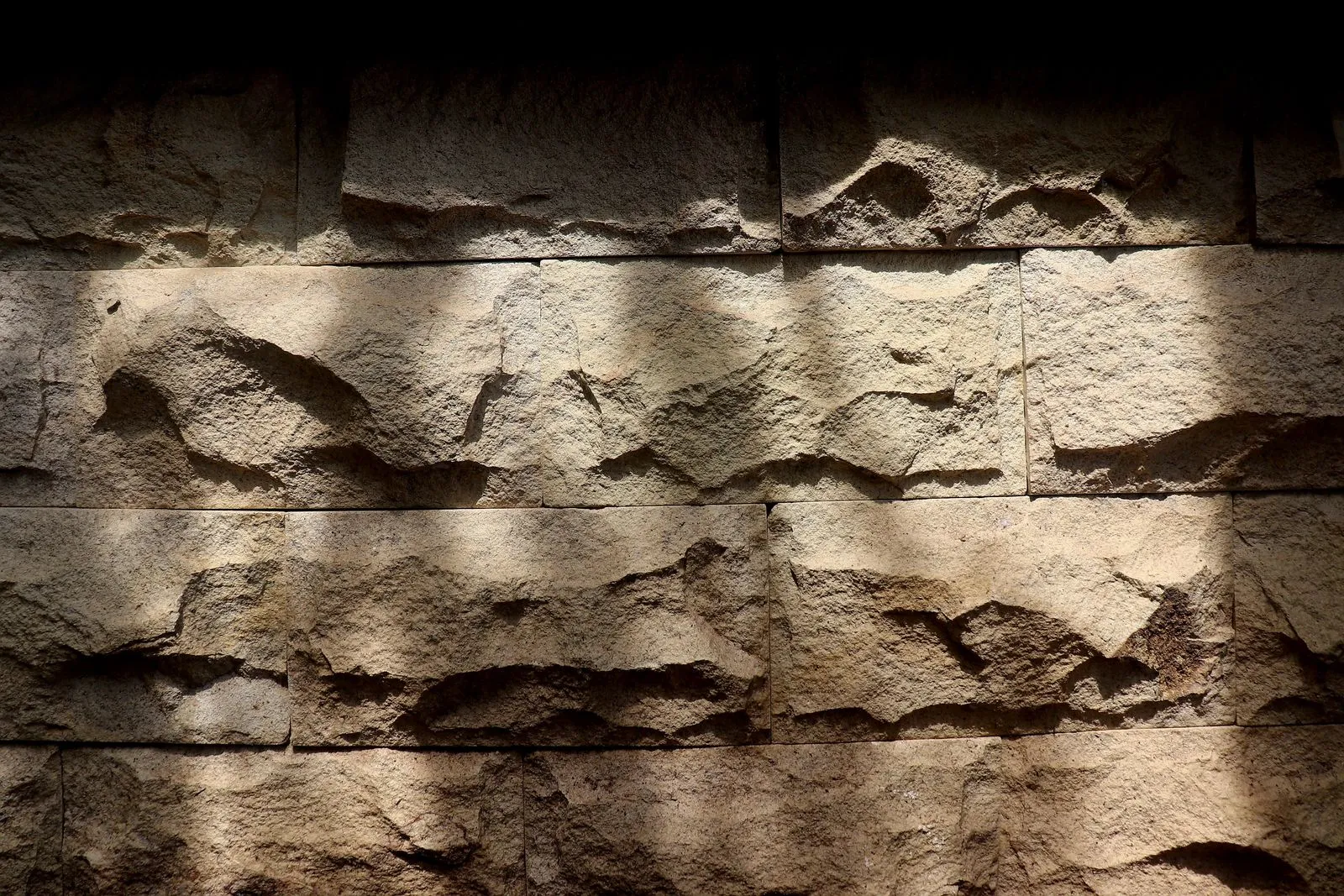
Stone walls can show wear gradually, so small changes are easy to overlook. A new lean, shifting stones, or crumbling joints may point to a problem that needs attention before more of the wall is affected. The right response depends on the wall’s construction, location, and condition. Check for changes from a safe distance, avoid disturbing unstable sections, and arrange an assessment if you see movement or are unsure whether the wall is secure.
Look for signs of movement
Compare the wall’s current shape with older photographs, if available. A section that has begun to lean, bulge, or bow may be moving. Also look for a fresh gap where the wall meets a gatepost, building, or adjoining wall. These changes can indicate that stones or the ground supporting them have shifted.
Movement may follow heavy rain, ground disturbance, impact, or changes to drainage, but the visible sign alone does not reveal the cause. Do not push against a leaning wall or try to straighten it yourself. Keep people away from any area that appears unstable, particularly if stones are displaced or the wall is retaining soil.
Check for loose stones
Look for stones that sit at an angle, protrude from the face, or appear to have dropped out of line. A missing stone can leave neighboring stones with less support. On a retaining wall, soil or water escaping through a new opening may signal a more urgent problem.
Do not climb on the wall, pull at stones, or test stability by shaking the masonry. These actions can dislodge material and make a small defect worse. If a stone has fallen, keep the area clear and note where it came from; a professional can assess whether the surrounding section also needs repair.
Notice failing joints
In a mortared wall, inspect the joints between stones for cracks, gaps, loose mortar, or material that has crumbled away. A few isolated defects may be limited, but widespread deterioration can leave stones less secure and allow water into the wall. Pay attention to whether the damage is new or spreading.
Dry-stone walls have no mortar joints, so check whether stones remain tightly placed and whether the wall’s face has developed gaps or fallen out of line. Avoid filling gaps with general-purpose cement or mortar. The appropriate repair depends on how the wall was built, and an incompatible material can trap moisture or interfere with its movement.
Know when to call a professional
Seek a professional assessment if the wall is leaning or bulging, several stones are loose, cracks are widening, or damage is recurring after previous repairs. Assessment is also sensible when a retaining wall shows new movement, when water or soil is coming through, or when you cannot tell whether the wall is safe.
Before arranging work, take clear photographs from several angles and note when you first noticed the change. Share whether the wall retains soil, supports a gate or structure, or has nearby drainage. A stone wall builder can inspect the construction, identify likely causes, and explain whether localized repairs or broader rebuilding should be considered.
A small defect does not always mean a wall needs rebuilding, but movement, loose stones, and deteriorating joints deserve attention. Keep clear of unstable areas and avoid makeshift repairs that may hide the cause. If you have concerns about a wall in Liverpool, contact Mersey Stoneworks to discuss a professional assessment.